Auschwitz • Birkenau • Monowitz
A journey into the system that changed history forever
This is not the story of one place.
It is the story of how a system was built — step by step — until it became one of the most devastating mechanisms in human history.
It never begins in an obvious way.
There is no single moment that signals a turning point.
History unfolds quietly — through small decisions, uncertainty, and gradual change.
And then, suddenly, the result becomes impossible to ignore.
If you originally intended to visit Auschwitz as part of a standard museum experience, it is worth noting that access today is extremely limited due to global demand. However, there is another way to explore this history — one that goes beyond museum walls and focuses on understanding, context, and the full story.
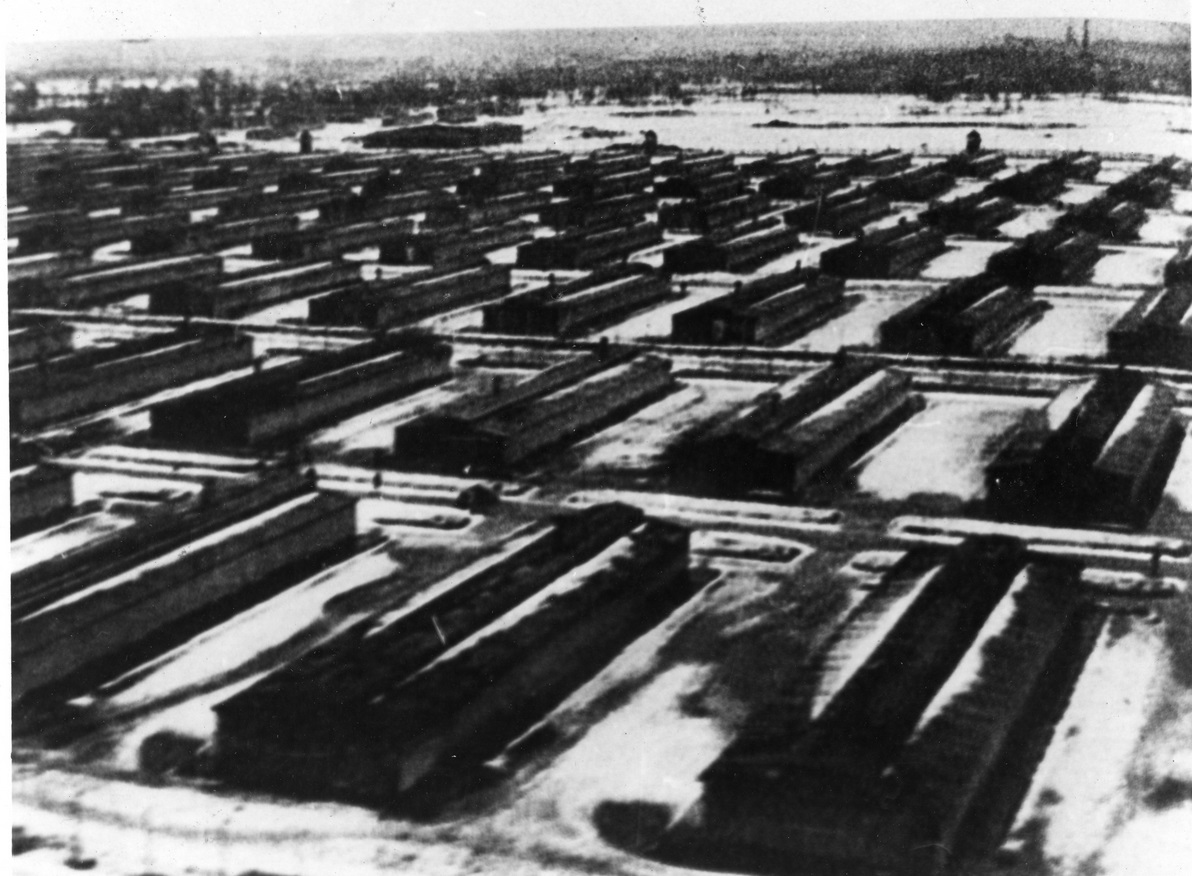
The Beginning Was Not Auschwitz
To understand Auschwitz, one must begin far earlier — in Europe after the First World War. The year 1918 did not simply end a conflict; it opened a fragile chapter filled with uncertainty. Entire regions lay in ruins, economies collapsed, and millions attempted to rebuild lives from nothing.
In Germany, the Treaty of Versailles was not seen merely as a political agreement. For many, it felt like a deep and lasting humiliation — one that would quietly shape the decades to come.
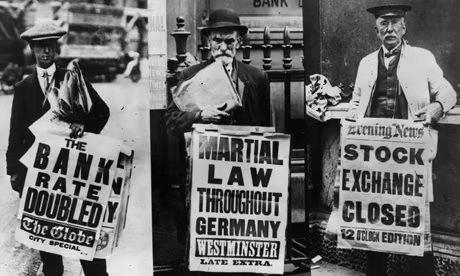
Then came hyperinflation. Then the Great Depression.
Stability disappeared — replaced by fear.
And when certainty vanishes, people begin searching — not for complexity, but for simple answers.
When Answers Become Dangerous
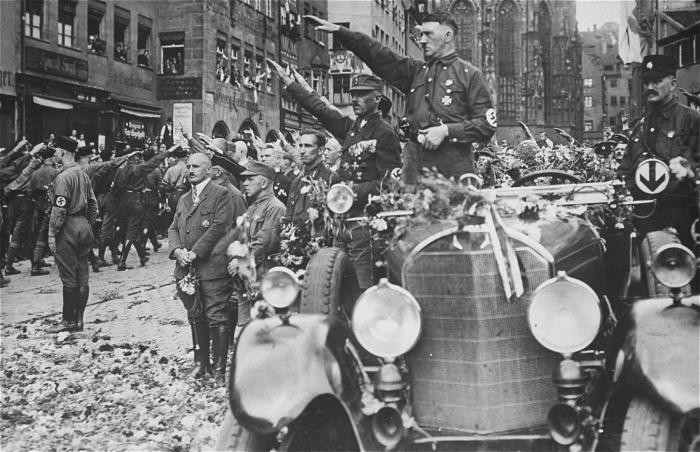
What followed was not inevitable — but it became possible.
Messages gained power not because they were complex, but because they were simple. They offered direction. They created clarity. And they provided someone to blame.
In 1933, Adolf Hitler rose to power with promises of restoration.
Behind those promises stood a system built on exclusion, control, and division.
The System Begins to Form
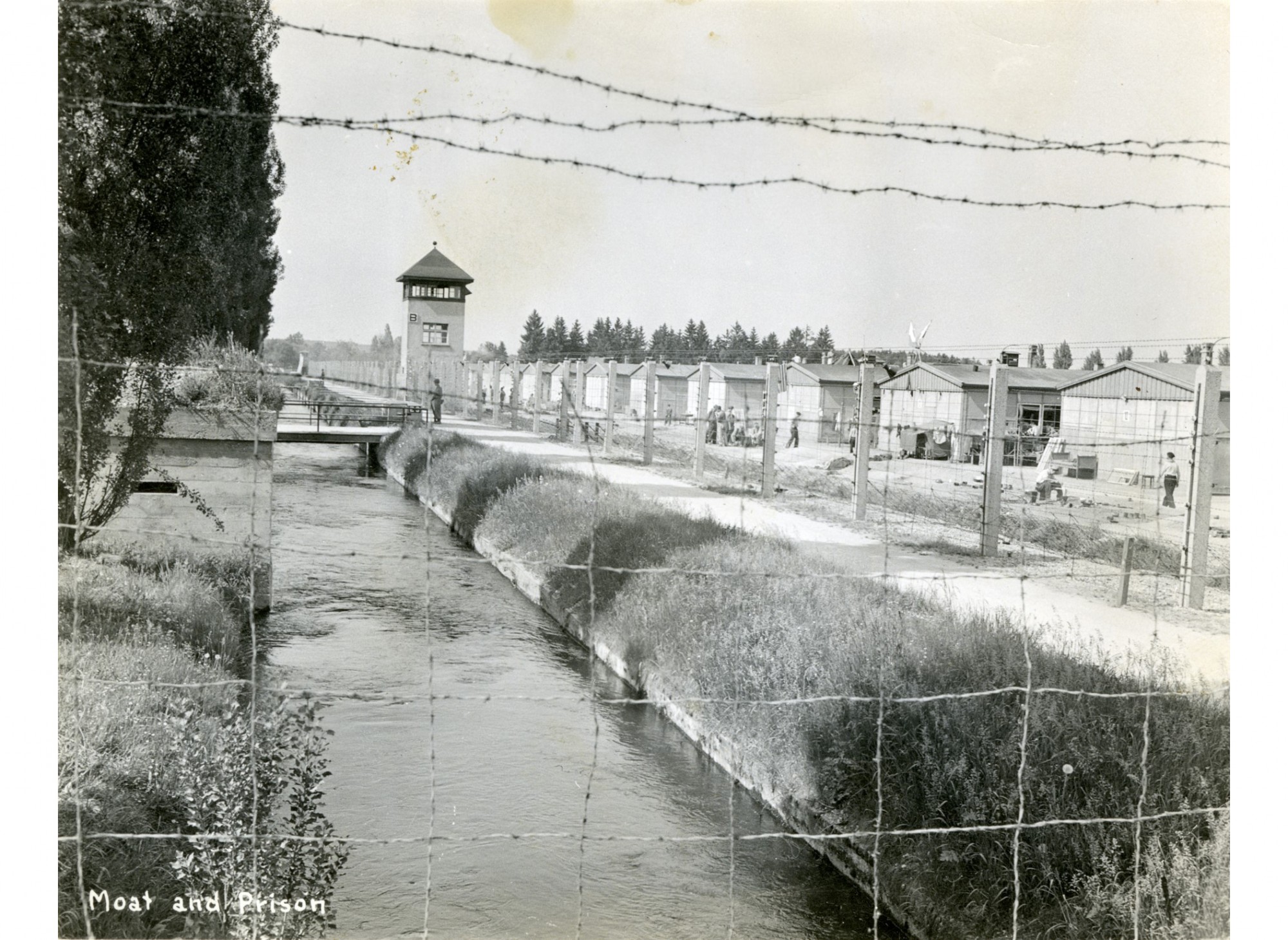
The first concentration camps were not created as instruments of mass extermination.
They were tools of intimidation — places where opposition disappeared.
But systems evolve.
And once created, they rarely remain limited.
With the outbreak of war in 1939, the structure expanded rapidly — becoming a network that combined ideology, logistics, and industry.
Why Auschwitz?
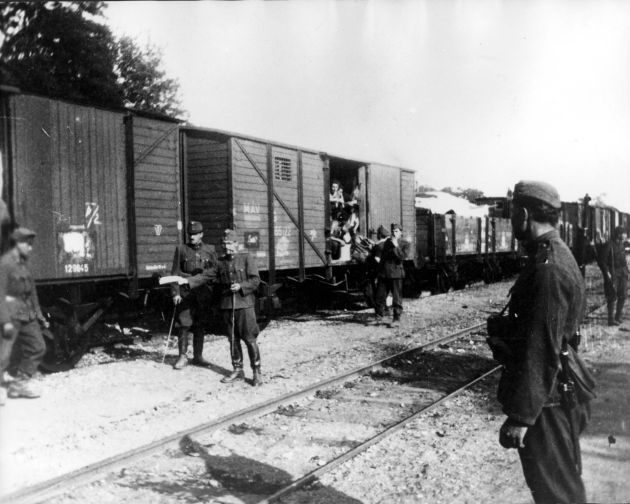
Auschwitz was not chosen by accident.
- Railways connected it with all of Europe
- Space allowed constant expansion
- Location offered strategic isolation
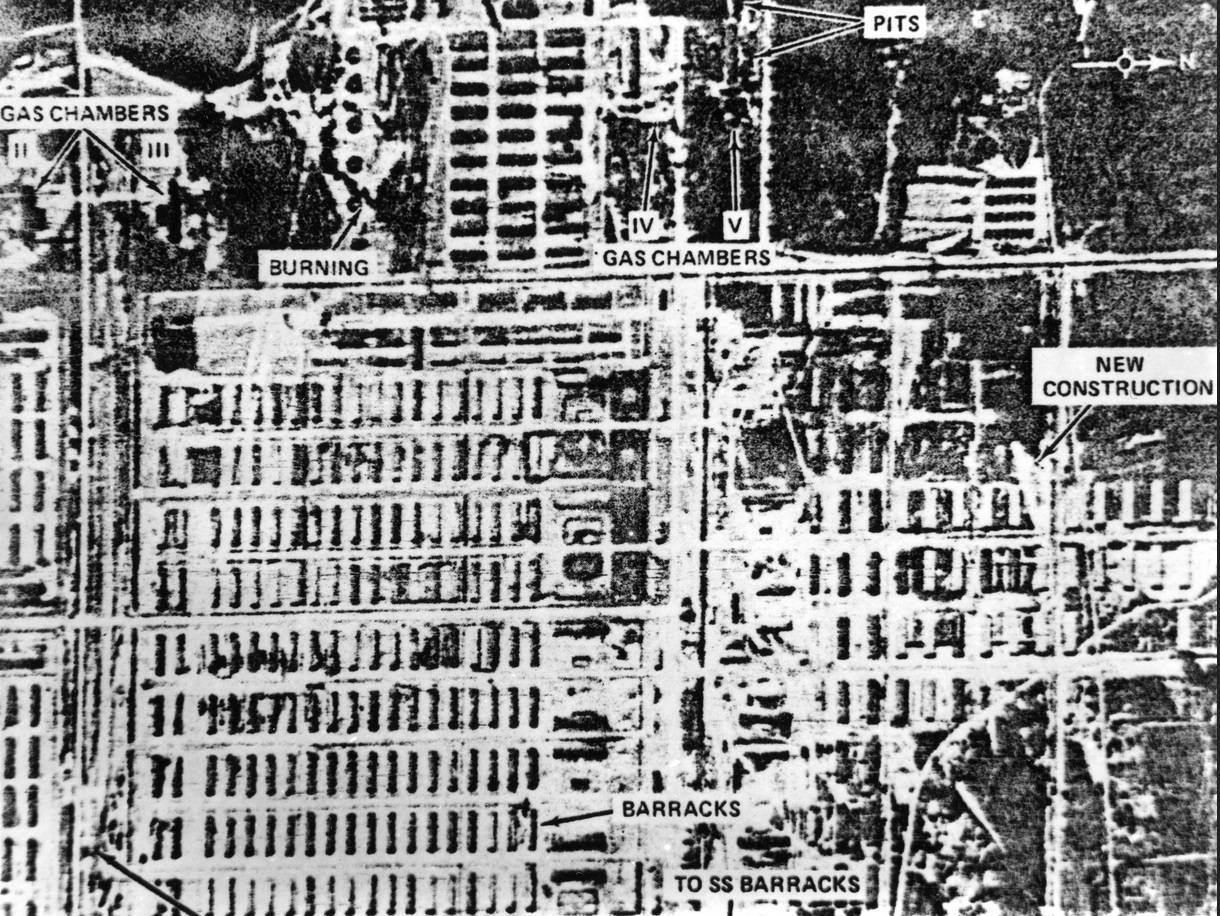
It became not one place, but a system:
- Auschwitz I — administration and control
- Birkenau — mass scale operations
- Monowitz — industrial labor
Monowitz and the Logic of Efficiency
Monowitz reveals a different dimension — one where human life was measured through productivity. Built to support industrial operations, it became a place where exhaustion, hunger, and labor defined daily existence.
Here, survival was conditional. To work meant to survive — but only temporarily.
Industry and Responsibility
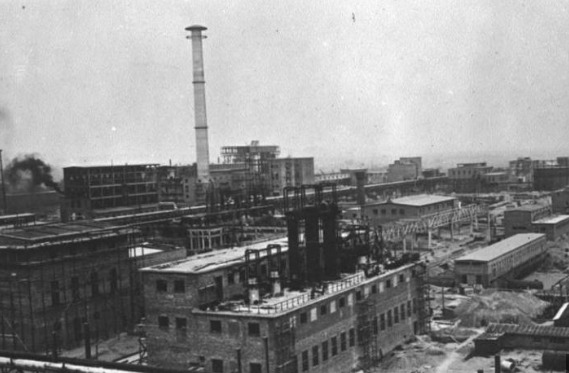
The presence of corporations such as IG Farben adds another layer to the story. Industry did not stand outside the system — it became part of it. Production required labor, and labor was supplied by prisoners. It was structured. Organized. Efficient. And accepted within the logic of its time.
Birkenau — The System at Full Scale
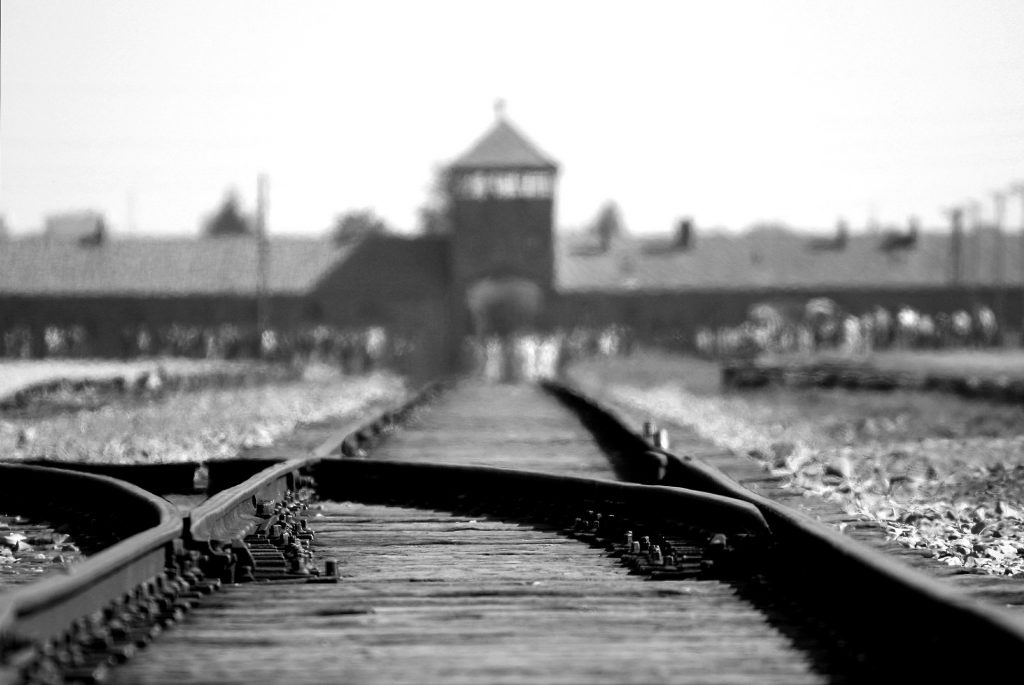
Birkenau represents the system fully developed. Trains arrived continuously. Decisions were made in minutes. For many, arrival meant the end.
This was not chaos. It was precision.
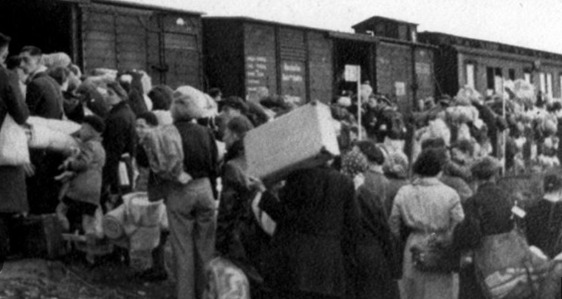
The journey itself became part of the experience — overcrowded wagons, no water, no certainty.
Many never reached their destination.
Understanding the System
Auschwitz is difficult to comprehend not only because of its scale — but because of its logic.
It shows how administrative, industrial, and political systems can align to create consequences far beyond their original purpose.
Unable to Visit the Museum?Access is often limited due to high demand. But you can still experience and understand the full story through a guided outdoor journey. → Explore the Auschwitz-Birkenau-Monowitz experience without museum entry
|
Final Words
The Auschwitz complex was never meant to remain static. Plans for expansion already existed.
The system was still evolving.
"History is not only about what happened.
It is about understanding how it became possible."
Because remembering is not enough.
Understanding is what allows us to recognize the warning signs.


